
Creature studies: Polar Bears
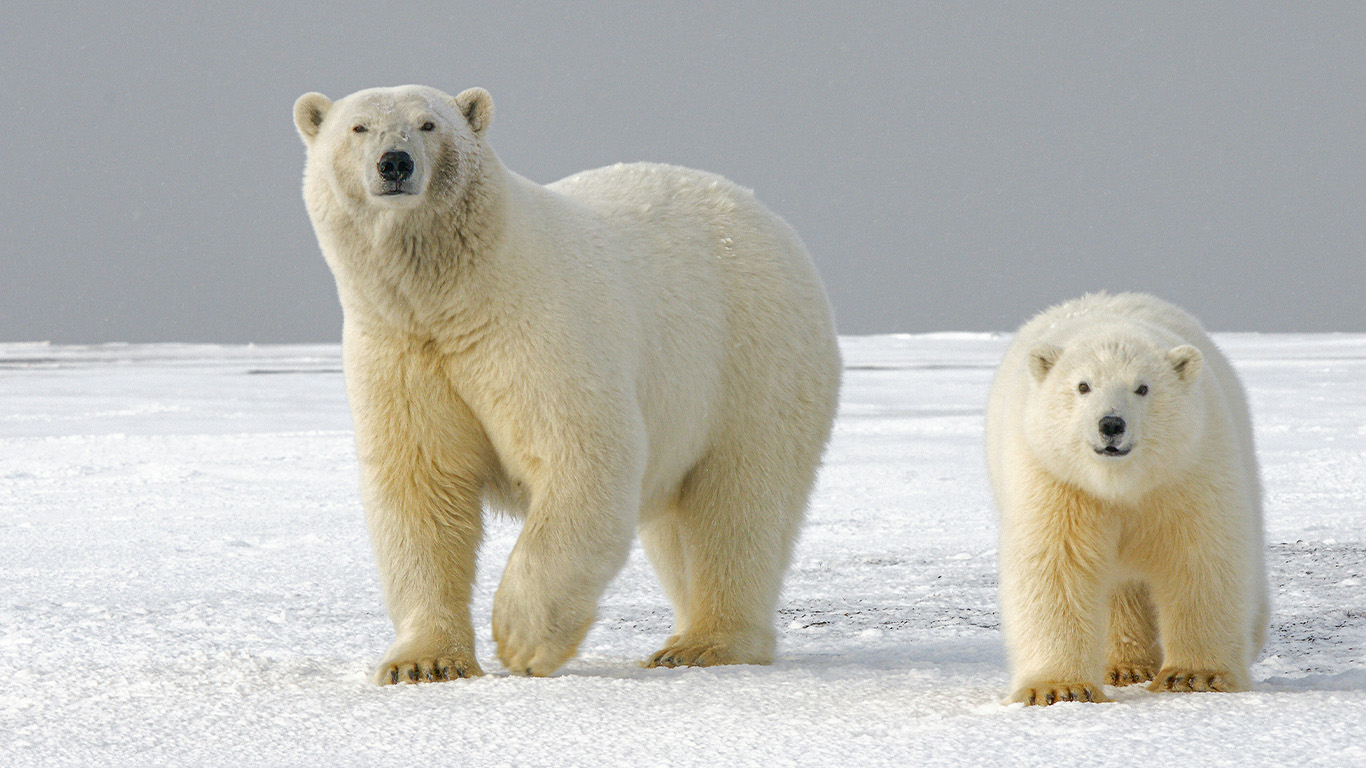
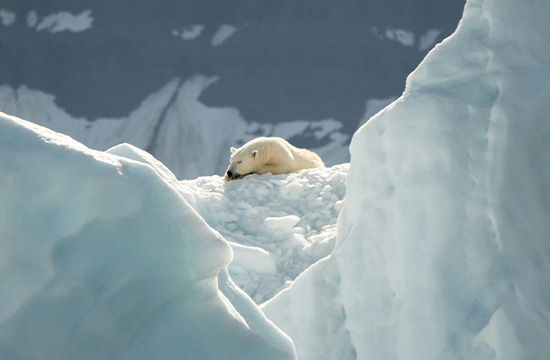
Polar bears have taken many evolutionary steps to become adapted to one of the harshest climates in the world. The Arctic.
Curious about Polar Bears
Polar bears have taken many evolutionary steps to become adapted to one of the harshest climates in the world. The Arctic.
Polar Bear
Scientific Name: Ursus Maritimus
Animal Type: Mammal
Diet: Carnivore, also described as a lipovore
Lifespan in the wild: 15-18 years on average
Size: 1-1.5 meters
Weight: Males weigh between 350 – 600 kg, Females weigh between 150-295kg
Where do polar bears live?
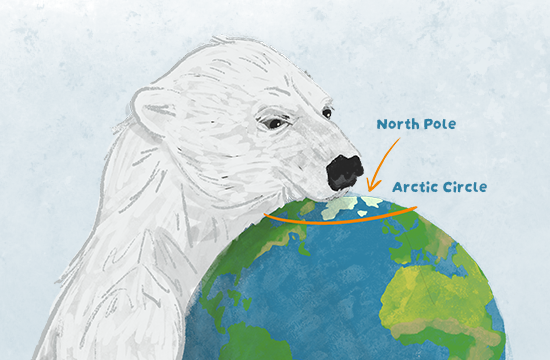
Polar bears live in the Northern hemisphere in the Arctic region.
They can be found in Canada, U.S. (Alaska), Greenland, Norway and Russia.
2 thirds of their population can be found in Canada.
What do they eat?
Polar bears are carnivores.
As climate changes they are adapting what they hunt.
In Svalbard they now hunt Reindeer.
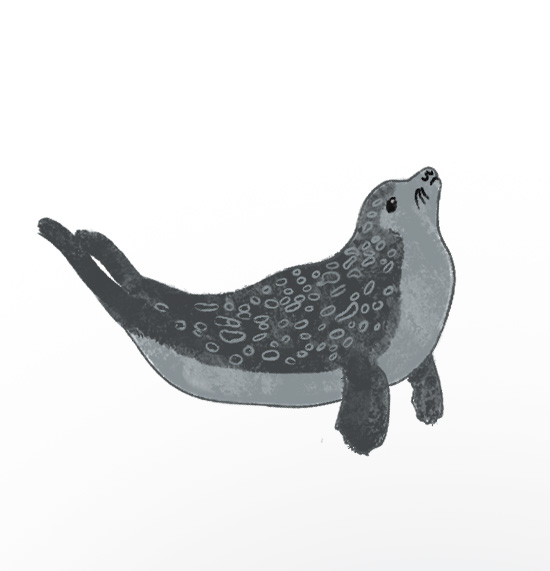
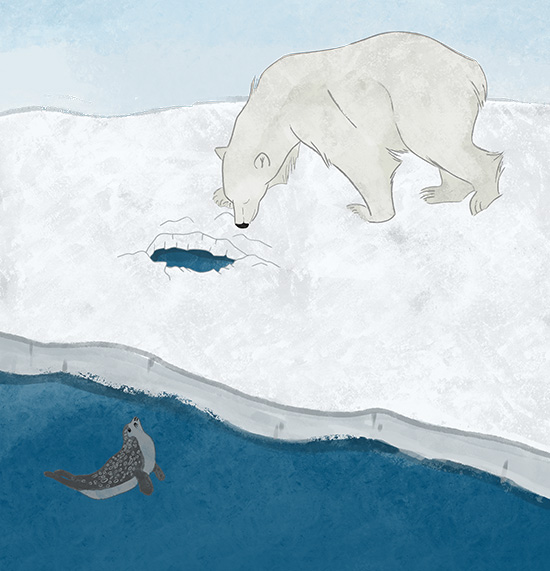
Prey: Ringed seals (main source), beluga, walrus
Daily intake: Over 45kg of blubber (on a succesful day)
Hunt success rate: 9/10 polar bear hunt attempts fail.
Known to scavenge: Whale carcasses and dead fish
Amazing adaptations
Staying warm
Polar bears can survive in temperatures below -40°C. Below are some of the ways their bodies have adapted to stay warm.
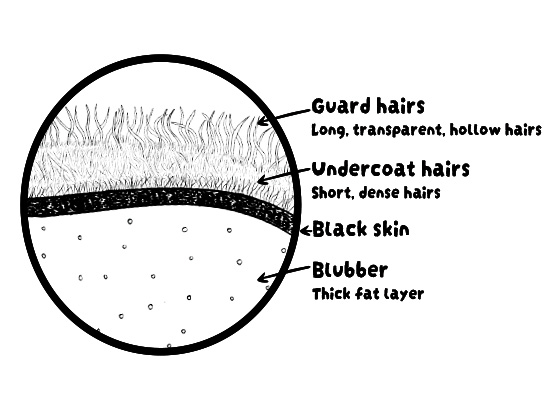
Black skin: May help to absorb heat from the sun.
Two layers of fur: Downy inner layer next to skin + guard outer layer
Hollow translucent hairs trap warm air
Thick blubber up to 11.4cm thick (4.4 inches)
Small ears and tail reduce heat loss
Oily fur prevents ice from attaching to the bear’s fur.
Built for swimming
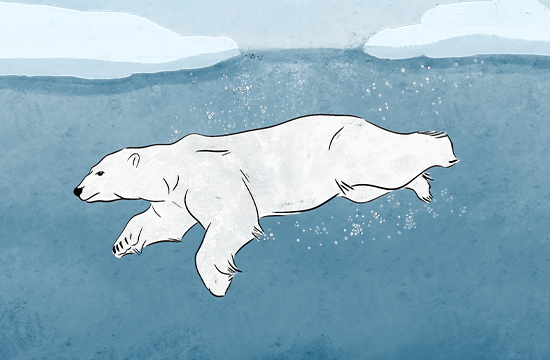
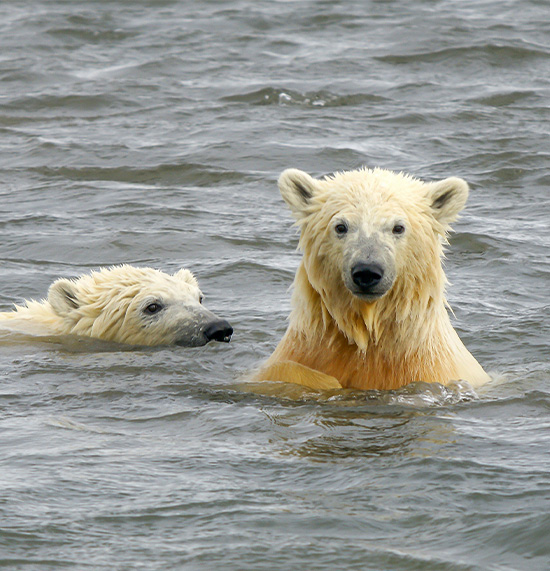
Despite their appearance, polar bears are fantastic swimmers capable of travelling up to 50 miles a day in sea. Here are some of the ways their bodies have adapted to help with this.
Large paws: The front paws act as powerful paddles to propel them through the water and their back feet act as rudders to navigate.
Blubber: Blubber provides warmth and buoyancy.
Oily fur: Their thicky oily fur acts as a waterproof and helps to keep them dry and stop ice from sticking to it.
Made for hunting
Polar bears hunt by stalking and ambushing their prey. They also extract seal pups from their dens. Here are a
Acute sense of smell: Can detect their prey 1km away, up to a meter below snow.
Papillae on foot pads: tiny bumps grip ice and stalk prey.
Specialised teeth:They have a specially shaped jaw for catching seals. Sharp canine teeth at the front are separated by a gap from the sharp back teeth, which cut through fat and blubber.
The gap is called a diasteme.
Thick blubber: up to 11.4cm thick(4.4 inches)
Small ears and tail reduce heat loss
Changing Arctic
The impact of global warming
Our polar seas are warming up twice as fast as tropical and temperate oceans. As a result sea ice is melting earlier and freezing later. There are many concerns that this will have a catastophic impact on the ecosystem that polar bears live in.
Effects
- Less hunting opportunities
- Few places for Mothers to den and give birth
- Polar bears are forced to travel further
- Harder to find food in summer
- More algae
Raising awareness through creativity
Discover Oscar-nominated animator Aaron Blaise’s stunning hand-drawn film, Snow Bear.
A magical journey into the Arctic that brings these magnificent creatures to life.
This film was made in partnership with Polar Bears International and NPCA.
Vocabulary
Lipovore – Relies on eating animal fat or blubber
Papillae – Tiny raised bumps on the the bears foot pads to help them grip onto the ice
Scavenge – To eat dead or decaying animal matter.
Diasteme – Is the large gap between a polar bears front and back teeth.
