
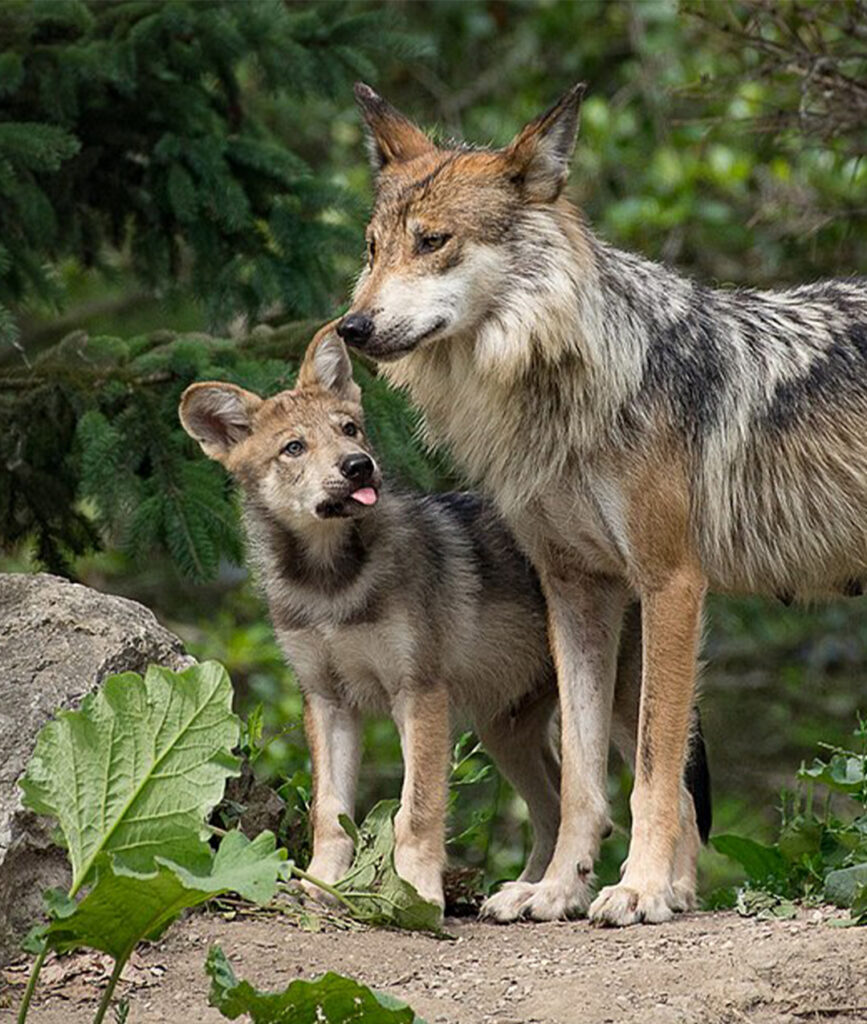
Curious about Wolves
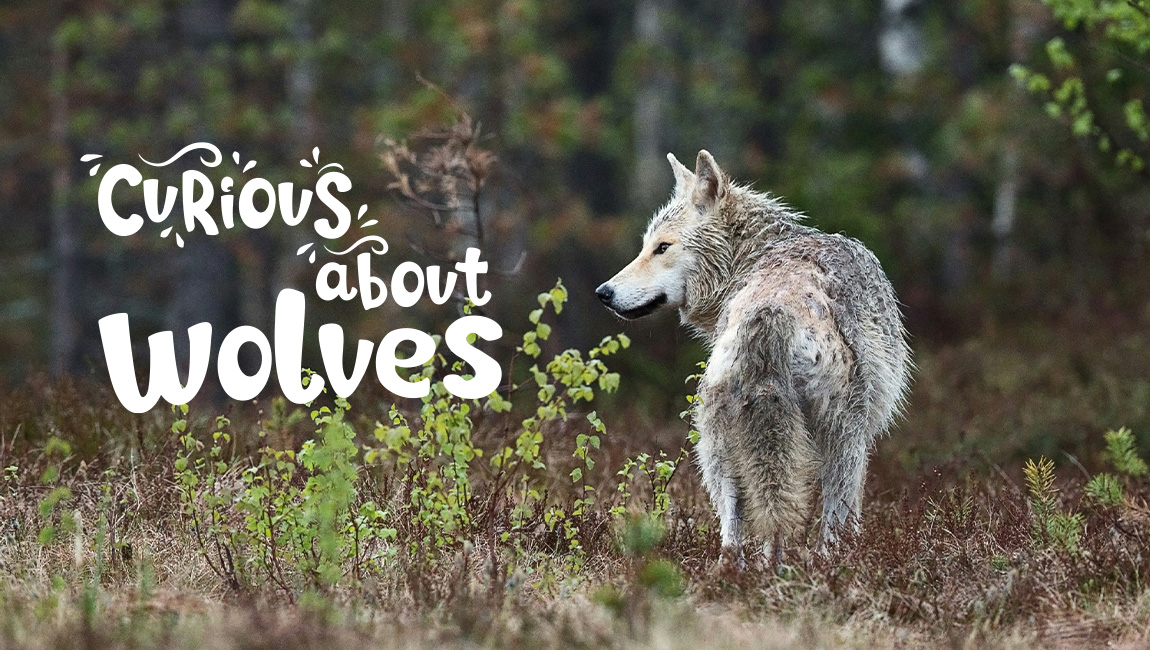
Forget the fairytales. Meet the misunderstood guardians of the forest, shy, loyal and deeply intelligent, raising their families and holding wild ecosystems together.
Curious about Manatees
Meet the gentle giants of the waterways, skilled underwater gardeners grazing and drifting through aquatic meadows with surprising grace.
Wolves are part of the Canine family
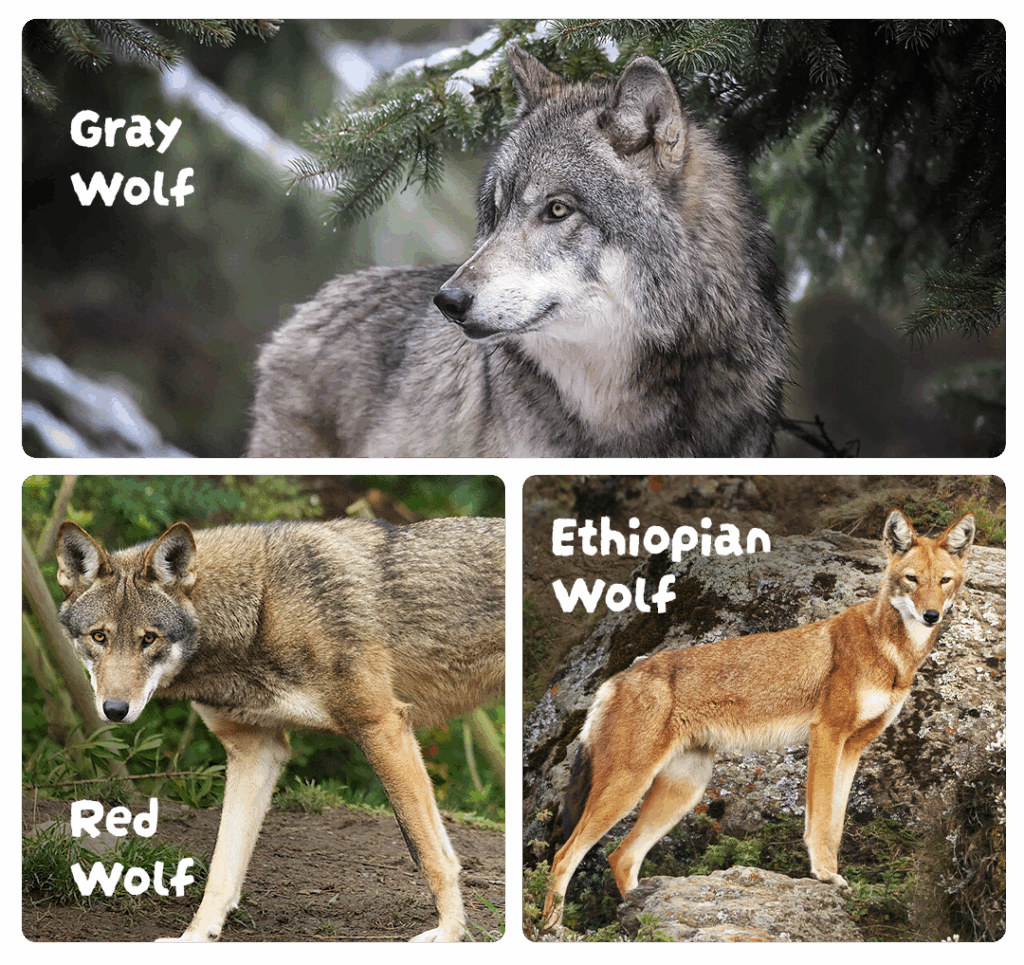
There are several wolf species in genus Canis, including the endangered Ethiopian wolf (Canis simensis) and widespread gray wolf (Canis lupus) with 24-38 subspecies like Arctic, Arabian, and timber wolves.
True wolf
Gray Wolf
The gray wolf is the largest species of true wolf living across parts of Europe and North America.
Ethiopian Wolf
The Ethiopian wolf is a critically endangered unique species limited to a highly specific range in Ethiopia.
Red Wolf
The Red wolf is a critically endangered species of true wolf living in the South East of the USA.
What makes a 'true' wolf?
True wolves are pack hunters, built for teamwork and cooperation. Not every animal called a wolf actually is one.
Red wolves are so elusive and shy scientists are continuing to put together the puzzle pieces.
Even the ‘true’ wolf status of both the Ethiopian and Red wolf continues to be debated.
DNA testing on the Ethiopian wolf has settled the debate for the time being, placing them firmly in the wolf family.
Pack life
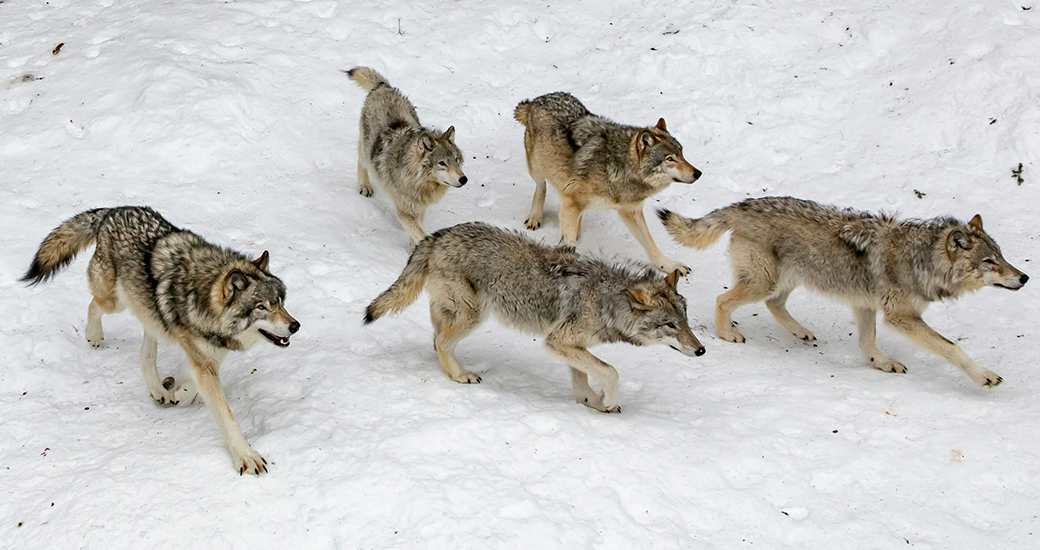
Wolf packs are close-knit families where every member has an important role to play. Usually, there are between 6 and 10 members in a wolf pack.
Maternal leadership
Each pack is led by a mum and dad pair, (scientists often call them the alpha pair), who are usually the only two wolves in the pack to have pups each year. This keeps the family stable and makes sure there is enough food and care to go around for everyone
Breeding + Pups
Mum wolves have up to six pups born in a den during springtime.
The pups are born blind and helpless. They spend the first few weeks inside the den, suckling on their mother’s milk and gaining strength.
At around 3-4 weeks old the pups begin to explore under the watchful eye of their aunts and uncles (other pack members).
At around 6-8 weeks old the pups start to play fight and learn pack rules. Wolves around a year old will look after them.
At around 2-3 years old some wolves will leave the pack to start their own or join another. These are called dispersers.
One of a kind
Despite living in a close family group, each wolf is a true individual. Every wolf has their own distinct:
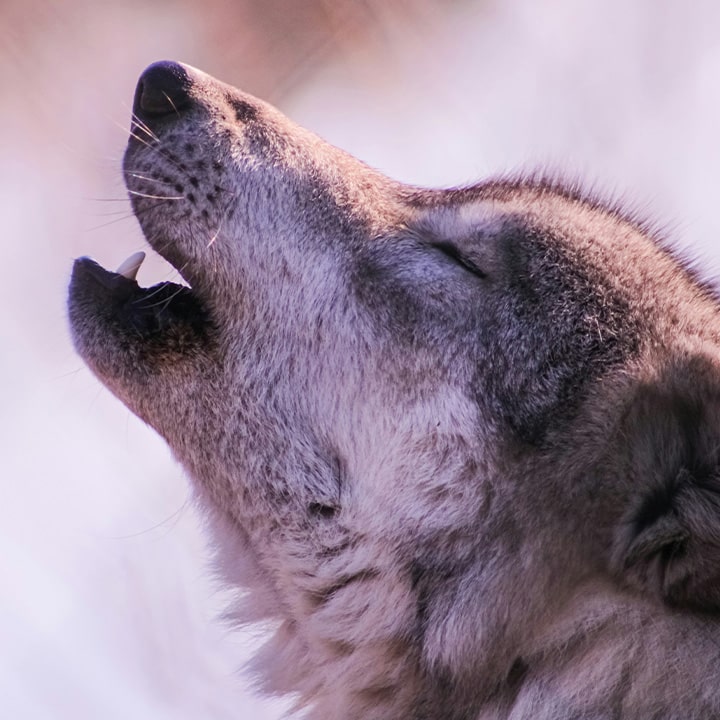
Howl
Scent
Personality
These unique traits are not just charming quirks, they are how wolves recognise each other, strengthen their family bonds and stay connected across wild landscapes.
Still have questions?
Dig deeper into the world of wolves
quick read opens here full page goes to a new page
Vocabulary
Stuck on a word? Have a look below.
Aquatic living or found in water
Ballast weight that helps keep something stable and balanced.
Bouyancy the ability to float or stay at a certain depth in water.
Estuary where a river meets the sea, mixing fresh and salt water.
Lagoon a shallow stretch of water separated from the sea by a sandbank or reef.
Herbivore an animal that only eats plants.
Nictitating lens a transparent eyelid that protects the eye underwater.
Marine mammal a warm-blooded animal that lives in or around the sea and breathes air.
Migrate to travel from one place to another with the seasons.
Prehensile able to grip and hold, like fingers
Seagrass meadow underwater fields of grass-like plants that grow in shallow coastal waters.
Sirenia the scientific order that manatees and dugongs belong to.
Subspecies a smaller group within a species that shares specific characteristics.
Reniculate Kidney instead of one kidney, manatees have kidneys made up of lots of tiny individual kidneys all bundled together, each one doing its own job
Vibrissae are tiny hair sensors that pick up movement and vibrations covering the manatees body and mouth.
Vestigial a leftover body part no longer needed after millions of years of evolution.
