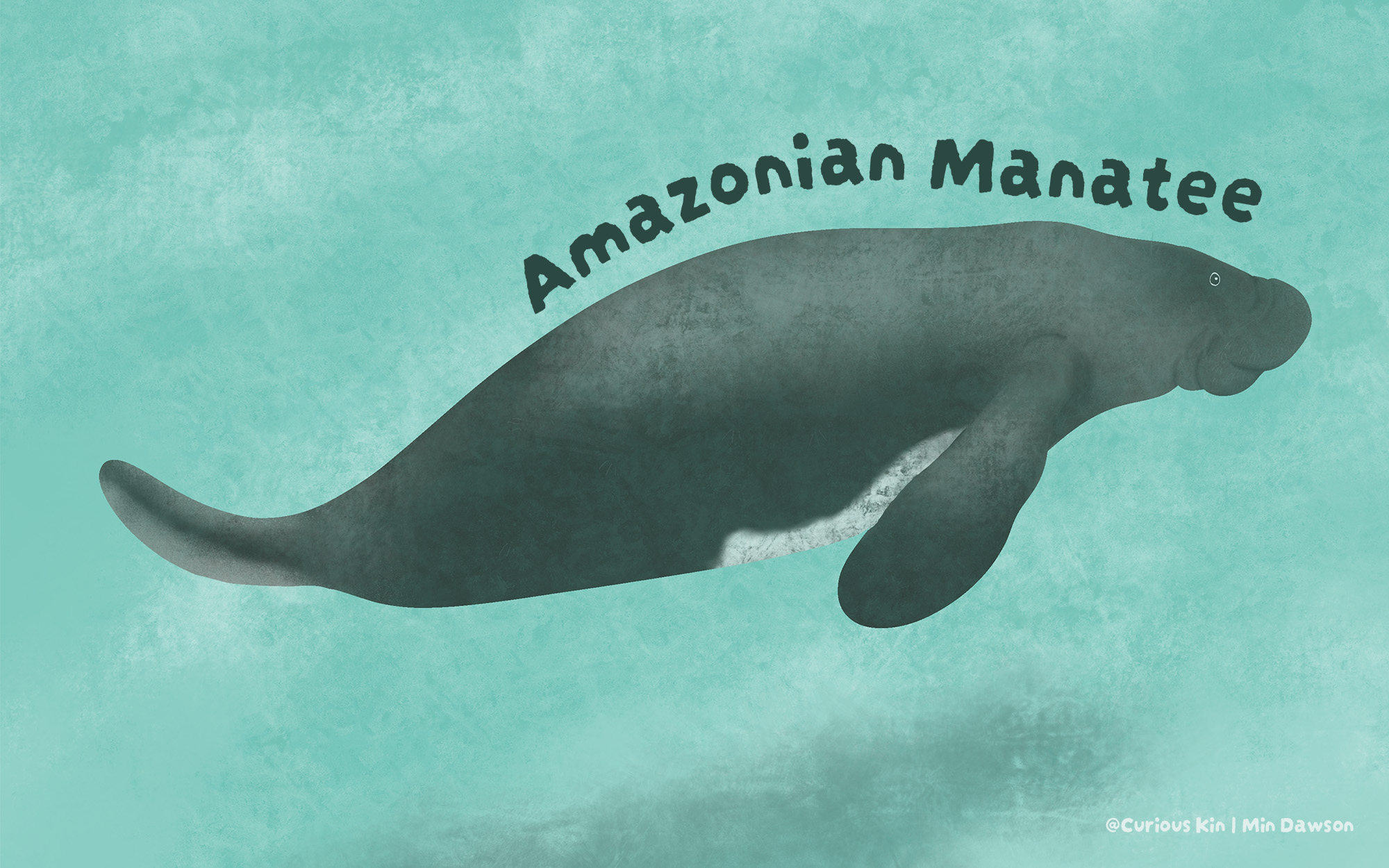
The Amazonian manatee is one of the lesser known species of manaee. They spend almost their entire life deep in the Amazon river basin, moving between lakes and flood plains depending on the water levels.
up to 2 feet smaller than West Indian Manatees
Amazonian Manatee
Trichechus inunguis
AKA Natterer Manatee · South American Manatee
Vu · Vulnerable
Animal group
Marine Mammal · Sirenia (Sea Cows)
Diet
Herbivore — Aquatic plants
Body length
Up to 9.8 feet (3 meters)
Weight
Up to 992lb (450kg)
Lifespan
11 years in the wild
Location
Amazon River Basin bordering Brazil, Colombia, Peru, Excuador and Bolivia
Habitat
Freshwater Amazon river basin Flood plains
Population
8,000 - 30,000 Mature individuals approx
Why so rare?
A mysterious cat
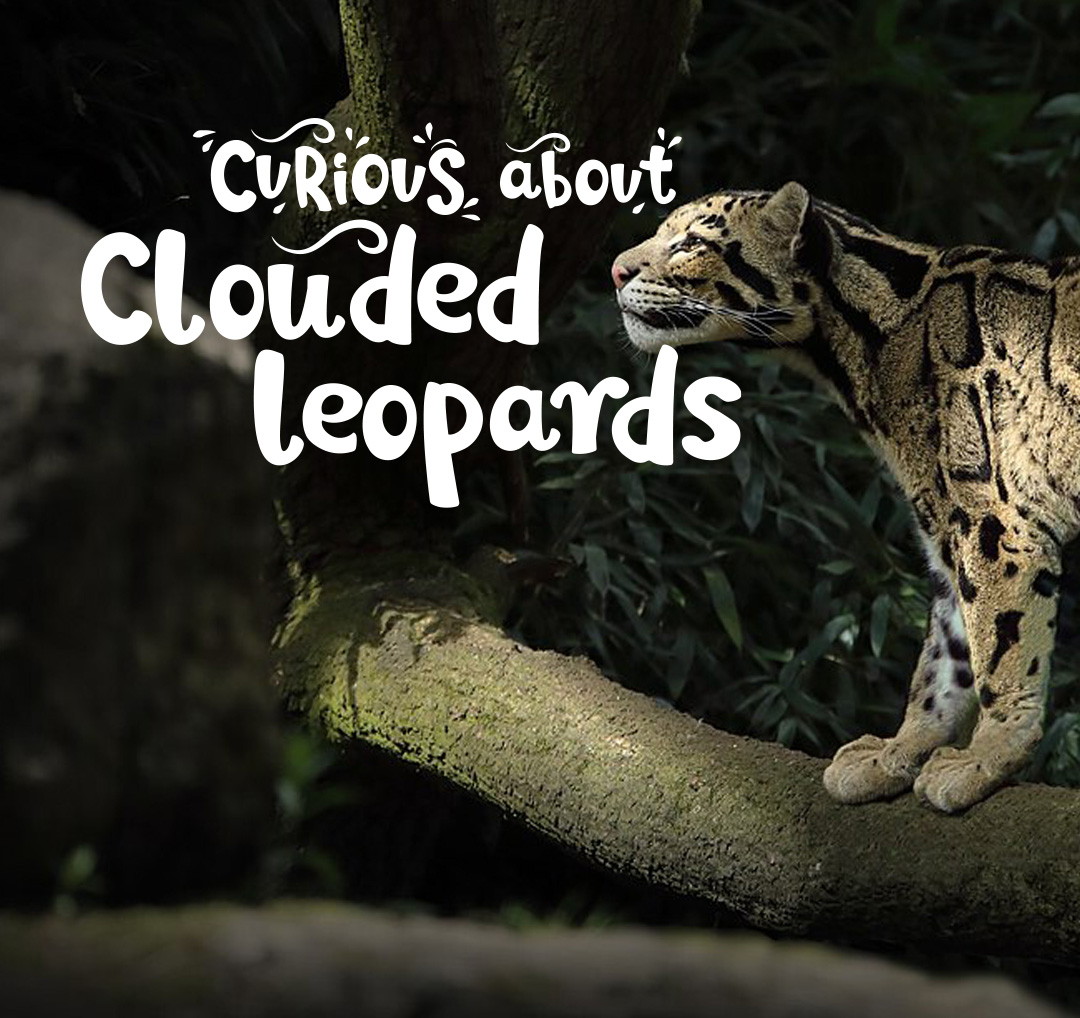
The clouded leopard is one of the most mysterious wild cats on the planet. They spend almost their entire life high up in the forest canopy, moving through the trees mostly at night. Clouded leopards are so secretive that researchers can spend years searching without ever spotting one in their natural habitat.
For a long time, scientists thought there was just one species of clouded leopard. But in 2006, genetic research made a surprising discovery. There are actually two! The mainland clouded leopard and the Sunda clouded leopard. They look very similar but are as different from each other as lions are from tigers.
Body 2-3 feet (approx 60-92cm) Tail 3 feet (approx 92cm) cm
Weight
Males up to 50lb (over 20kg) Females up to 30lb (over 13.5kg)
Lifespan
11 years in the wild
Location
Mainland Asia · Islands of Sumatra + Borneo.
Habitat
Evergreen tropical forests
Population
Up to 10,000 across 2 species
Fast facts
Top 8 facts to know about Amazon manatees
1. Smallest manatee species
2. No vestigial nails on flippers
3. They have distinctive white belly patches
4. Only lives in freshwater
5. Migrates 100s of kilometers for food.
6. Eats over 20 different plant species.
7. Amazonian manatees are a protected species
8. They fast during the drought season
Meet the others
More than just one species
The amazonian manatee is just one of three species of manatee.
West Indian Manatee Trichechus manatus
The largest of the three species, the West Indian manatee has 2 sub-species the Antillean and Florida manatee.
West African Manatee Panthera pardus
The West African manatee is slightly smaller than the West Indian. They are known travel up river as far as Chad and Niger.
Challenges Amazonian manatees face
Threats and dangers
Palm oil + logging
Industrial farming has wiped out huge areas of the amazon rainforest.
Avoid buying products that use palm oil.
Droughts
The number and length of droughts in the amazon is increasing due to climate change.
Poaching
Manatees are hunted for their meat.
Be careful what videos you are liking and sharing.
Disturbance and boat strikes
Manatees are shy curious mammals that are sensitive to human disturbances.
Do not approach manatees.
Accidental entanglement
They often get caught in traps set for other animals.
Ranger patrols and snare removals as well as anti-poaching technology is helping.
Water pollution
Industrial and agricultural run-off creates high levels of toxicity which poisons their food sources and causes sickness.
Communities are working to restore habitats, enforce legal protection and educate locals and businesses on better practises.
Still have questions?
Dig deeper into the world of manatees
quick read opens here
full page goes to a new page
Vocabulary
Stuck on a word? Have a look below.
Aquatic living or found in water
Ballast weight that helps keep something stable and balanced.
Bouyancy the ability to float or stay at a certain depth in water.
Estuary where a river meets the sea, mixing fresh and salt water.
Lagoon a shallow stretch of water separated from the sea by a sandbank or reef.
Herbivore an animal that only eats plants.
Nictitating lens a transparent eyelid that protects the eye underwater.
Marine mammal a warm-blooded animal that lives in or around the sea and breathes air.
Migrate to travel from one place to another with the seasons.
Prehensile able to grip and hold, like fingers
Seagrass meadow underwater fields of grass-like plants that grow in shallow coastal waters.
Sirenia the scientific order that manatees and dugongs belong to.
Subspecies a smaller group within a species that shares specific characteristics.
Reniculate Kidney instead of one kidney, manatees have kidneys made up of lots of tiny individual kidneys all bundled together, each one doing its own job
Vibrissae are tiny hair sensors that pick up movement and vibrations covering the manatees body and mouth.
Vestigial a leftover body part no longer needed after millions of years of evolution.
Page notes
The information on this page is as accurate and up to date as possible. The amazonian manatee is an elusive animal and our understanding of them is always evolving. Any videos and resources shared here have been carefully selected with their welfare at heart, not tourism.