Ballast weight that helps keep something stable and balanced.
Bouyancy the ability to float or stay at a certain depth in water.
Estuary where a river meets the sea, mixing fresh and salt water.
Lagoon a shallow stretch of water separated from the sea by a sandbank or reef.
Herbivore an animal that only eats plants.
Nictitating lens a transparent eyelid that protects the eye underwater.
Marine mammal a warm-blooded animal that lives in or around the sea and breathes air.
Migrate to travel from one place to another with the seasons.
Prehensile able to grip and hold, like fingers
Seagrass meadow underwater fields of grass-like plants that grow in shallow coastal waters.
Sirenia the scientific order that manatees and dugongs belong to.
Subspecies a smaller group within a species that shares specific characteristics.
Reniculate Kidney instead of one kidney, manatees have kidneys made up of lots of tiny individual kidneys all bundled together, each one doing its own job
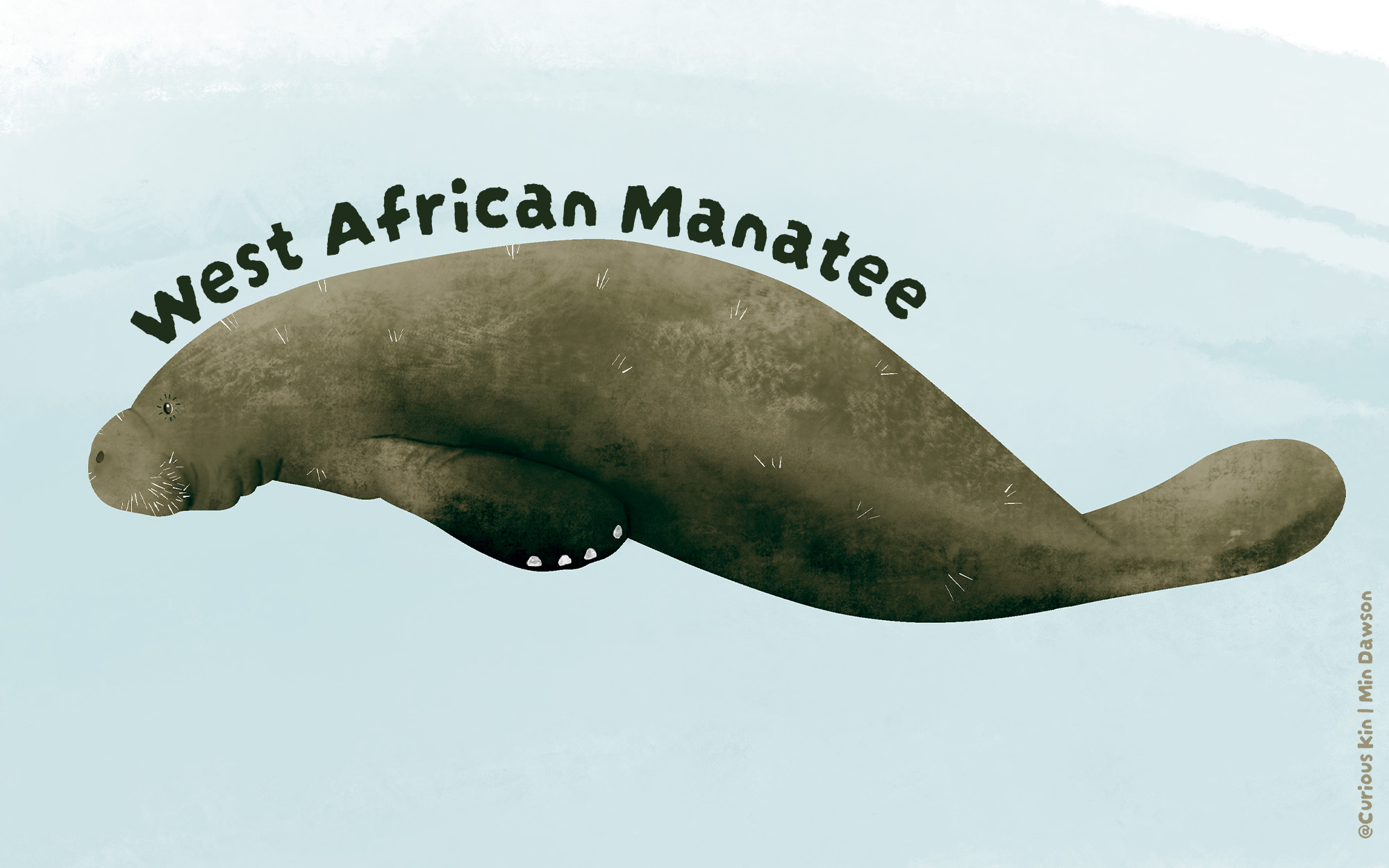
Vibrissae are tiny hair sensors that pick up movement and vibrations covering the manatees body and mouth.
Vestigial a leftover body part no longer needed after millions of years of evolution.